Helpful Articles & Blogs
9 TMS Features Small Hauliers Should Prioritise in 2026
For small to mid-sized haulage operators, choosing the right transport management software (TMS) is no longer just about digitising paperwork — it’s about staying competitive, compliant, and profitable in an increasingly complex logistics landscape.
Whether you’re moving chilled goods across Ireland, managing multi-stop deliveries in the UK, or coordinating freight across Europe, the right TMS can streamline operations and unlock real efficiency gains.
This checklist highlights the nine most important TMS features for small and mid-sized haulage businesses in 2026 — and how each one supports your day-to-day workflows.
What features should small haulage companies look for in transport management software?
The most important transport management software (TMS) features for small to mid-sized haulage companies are:
- Route planning and optimisation
- Real-time fleet and shipment tracking
- Electronic proof of delivery (ePOD)
- Accounting system integration
- Compliance and document management
- Freight forwarding management
- Mobile driver apps
- Customer portals and automated communication
- Reporting and analytics
These features help streamline operations, reduce costs, and improve customer service.
Why is transport management software important for small hauliers?
Transport management software helps haulage businesses:
- Reduce fuel and operational costs
- Improve delivery accuracy and speed
- Stay compliant with regulations
- Automate admin and invoicing
- Gain real-time visibility into fleet performance
For small and midsize operators, a TMS levels the playing field against larger competitors.
1. Route Planning and Optimisation
What is route optimisation in a TMS?
Route optimisation uses data (traffic, distance, delivery windows) to generate the most efficient delivery routes.
Key features:
- Reduces empty miles
- Lowers fuel costs
- Improves delivery times
Best for:
Daily planning of multi-drop and regional deliveries.
2. Real-Time Fleet and Shipment Tracking
What is fleet and shipment tracking?
Fleet tracking uses GPS to monitor vehicle location and delivery progress in real time.
Key features:
- Live vehicle tracking
- Accurate ETAs
- Status alerts
Why it matters:
Improves operational control and customer communication.
3. Electronic Proof of Delivery (ePOD)
What is ePOD in transport management software?
Electronic proof of delivery (ePOD) replaces paper delivery notes with digital confirmation.
Typical capabilities:
- Digital signatures
- Photo capture
- Instant upload to system
Why it matters:
Speeds up invoicing and reduces disputes.
4. TMS Accounting System Integration
What is TMS accounting integration?
Integration connects your transport management software directly to accounting systems.
Key benefits:
- Automatic invoicing
- Accurate cost tracking
- Reduced manual admin
Why it matters:
Essential for growing haulage businesses managing multiple jobs daily.
5. Compliance and Document Management
What compliance features should a TMS include?
A TMS should help manage regulatory requirements and documentation.
Must-have capability checklist:
- Driver hours tracking
- Maintenance logs
- Digital document storage
Why it matters:
Ensures legal compliance across Ireland, the UK, and Europe.
6. Freight Forwarding Management
What is freight forwarding management in a TMS?
Freight forwarding features allow management of multi-leg and cross-border shipments.
Core features:
- Shipment coordination across carriers
- Customs documentation support
- Subcontractor management
Why it matters:
Enables small operators to expand into more complex logistics services.
7. Mobile Driver App Integration
Why do drivers need mobile TMS apps?
Mobile apps connect drivers directly to the transport management system.
Common features:
- Job dispatch and updates
- Navigation integration
- ePOD capture
Why it matters:
Improves communication and reduces delays.
8. Customer Portal and Automated Updates
What is a TMS customer portal?
A customer portal allows clients to track shipments and access delivery information.
Key features:
- Self-service tracking
- Automated email/SMS updates
- Delivery notifications
Why it matters:
Improves transparency and reduces inbound queries.
9. Reporting and Analytics
What analytics should a haulage TMS provide?
A TMS should deliver insights into performance and profitability.
Important metrics:
- Cost per job
- Fleet utilisation
- Delivery performance
Why it matters:
Helps transport managers make data-driven decisions.
How do you choose the best TMS for a haulage business?
To choose the right haulage business TMS, prioritise:
- Ease of use for planners and drivers
- Strong integration capabilities
- Scalability as your business grows
- Real-time visibility and automation
Quick Checklist: TMS Features for 2026
For quick reference, your transport management software should include:
✅ Route optimisation
✅ Fleet and shipment tracking
✅ ePOD
✅ Accounting integration
✅ Compliance tools
✅ Freight forwarding management
✅ Driver mobile app
✅ Customer portal
✅ Reporting and analytics
Final Takeaway
The best logistics software for small and midsize companies isn’t the one with the most features — it’s the one that directly supports your daily workflows.
By focusing on these nine core capabilities, small haulage companies can:
- Improve efficiency
- Reduce operational costs
- Deliver a better customer experience
See How to Streamline Transport with Eureka TMS
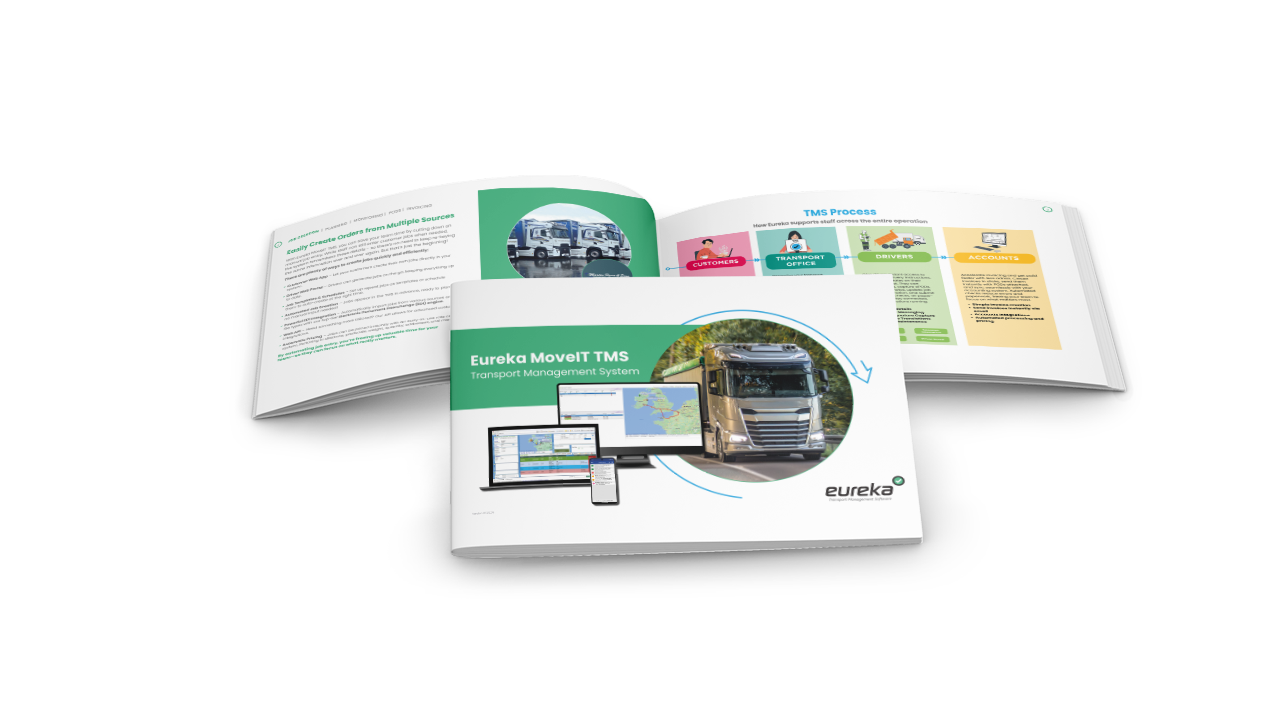
Discover how to improve planning, reduce costs, and gain full visibility across your operations